Get in touch
I'm always excited to take on new projects and collaborate with innovative minds.
Phone
Website
Address
Thanh Xuan - Hanoi - Vietnam
I'm always excited to take on new projects and collaborate with innovative minds.
Thanh Xuan - Hanoi - Vietnam
ClickFix, FileFix, fake CAPTCHA — whatever you call it, attacks where users interact with malicious scripts in their web browser are a fast-growing source of security breaches.
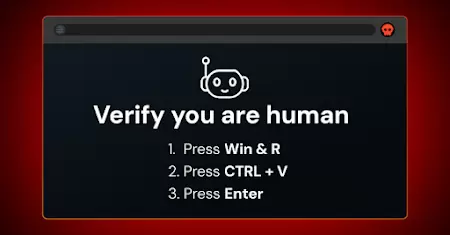
Most commonly, these attacks are used to deliver remote access software, infostealer malware, and keyloggers, using stolen session cookies and credentials to facilitate attacks on business apps and services. From there, the attacker simply dumps the data and holds the victim to ransom for its deletion — often dropping ransomware afterwards for double the extortion.
Join Luke Jennings, VP R&D at Push Security, to learn about:
How malicious copy & paste attacks work
Why they’re evading detection controls during both delivery & execution
Real-world attack examples showcasing the different attack variants
The future of malicious copy & paste techniques and payloads
What security teams can do to improve detection and response
We’re running multiple sessions for different timezones, so select the one that best suits you. Register for your spot now!
Your email address will not be published. Required fields are marked *